

Lycaon Seas

Home
Healing Plants: Nature’s First Aid Kit
From The Shadowed Ridge I Watch And Learn, My Nose Guiding Me To The Quiet Remedies Growing At The Edge Of The Trail. These Plants Are The Old Country’S Pharmacy — Leaves That Soothe, Roots That Mend, Petals That Calm. I Share Their Ways Not As A Healer Of Men, But As A Witness To The Small Miracles That Keep The Hollow Breathing: How A Poultice Eases A Wound, How A Brew Soothes A Fever, How A Rub Of Oil Brings Rest To Tired Bones. Walk With Me Through Dewy Mornings And Moonlit Clearings, And Rediscover The Gentle, Wild Medicine Hiding In Plain Sight.
A

Apple
Migraine

Alecost
Digestive aid: Used to relieve stomach cramps, gas, and other digestive disorders
Topical treatment: Applied externally as a salve or poultice for burns, insect bites, and stings
Wound healing: Said to accelerate healing for minor cuts and wounds
Headaches

Aloe Vera
Soothe burns, cuts, and wounds, and to treat skin conditions like acne, psoriasis, and eczema, Aloe vera juice to support digestion or soothe the symptoms of Irritable Bowel Syndrome (IBS), Natural laxative, Help lower blood sugar levels

Amaranth
Diarrhea or High Cholesterol


Angelica
Circulation, Indigestion, Flatulence, Colic

Anise hyssop
coughs, chest congestion, and other respiratory issues, upset stomachs, bloating, and indigestion

Arnica
Help manage pain, inflammation, swelling, and bruising
Ashwagandha
Managing stress and anxiety, improving sleep quality, and enhancing physical performance, Regulate Blood Sugar and Cholesterol, support thyroid function, and has anti-inflammatory properties
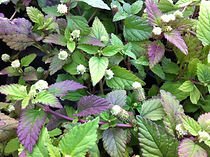
Aztec Sweet Herb
coughs, bronchitis, and indigestion
B

Basil
Antacid

Beet
Constipation, Indigestion

Balloon Flower - Blue
Respiratory ailments like coughs and bronchitis, immune system, liver, and in lowering blood sugar and cholesterol.

Balloon Flower - White
Respiratory issues like coughs and sore throats

Balm - Lemon
calming properties, digestive aid, anxiety, nervousness, and promote a sense of calm and improved mood

Basil - holy
stress, support immune function, and reduce inflammation

Bay
Digestive aid: Infusions or teas can help relieve gas, bloating, indigestion, and symptoms of IBS, anti-inflammatory, lower blood sugar and cholesterol levels, lower stress hormone levels, promoting calmness, relaxation, and improved sleep quality when used in aromatherapy or as a tea.

Bergamot - wild
Relieve headaches, coughs, sore throats, and to reduce fever, indigestion, gas, nausea, and vomiting, Applied as a poultice or wash to treat minor wounds, infections, and rashes

Betony
headaches (tension, sinus, migraine), nervousness, and stress

Borage
Borage oil is used topically and orally to help manage skin conditions like eczema (atopic dermatitis), acne, and psoriasis by promoting wound healing and repairing the skin's natural barrier, anti-inflammatory properties may help reduce symptoms of inflammatory disorders, including rheumatoid arthritis and conditions involving inflamed blood vessels. Borage extract or tea is traditionally used to relieve coughs, bronchitis, and asthma symptoms by reducing inflammation and swelling in the airways. Balance hormones, potentially easing symptoms of PMS and menopause. used as a sedative, a diuretic (to promote urine flow), to lower cholesterol, and to support adrenal gland function
c

Clove
Controls Stomach Acid

Chamomile
Anxiety and Relaxation, heal wounds and reduce inflammation and swelling, for the skin may be used to treat skin rash from radiation treatments. Chamomile in a capsule may be used to ease vomiting from chemotherapy.

Calamint - lesser
Indigestion and flatulent colic, expectorant for colds and chest congestion, used to address nervous tension, depression, and insomnia. soothe painful menses and support the uterus, Fever Reducer.
Camphor
Creams and ointments to relieve pain and itching from minor burns, insect bites, cold sores, scrapes, and minor cuts

Caraway
Used to help with indigestion, bloating, gas, and mild intestinal spasms, fight oxidative stress, help promote urination, helping the body to eliminate excess fluids, sodium, and potassium, help lower blood sugar levels

Catmint
Help with stress, anxiety, and sleep
Castor oil
treat occasional constipation, moisturize skin, and improve hair health. It also has anti-inflammatory properties,

Chervil
Aiding digestion, boosting metabolism, and treating fluid retention

Chicory
Used to support digestive health, as a mild laxative, and for potential liver and heart health benefits

Chilli
Pain Management


Chives
Immune System, Digestive Health, Cardiovascular Health, Bone Strength, Anti Imflammatory, Anticancer Properties,Brain And Mood Health

Coltsfoot
Coughsm Bronchitis, Asthma, Sore Throat, Burns, Insect Bites, Eczema Skin Inflammation

Coriander
Indigestion, Gas, Bloating, Diarrheas, Anti-Inflammatory, Sooth Joint and Muscle Pain, Antimicrobial Properties, Urinary Tract Infections

Cosmos
malaria, eczema, and inflammation, due to their antioxidant and anti-inflammatory properties, skin irritation and minor wounds species like Cosmos caudatus shows potential for anti-diabetic and anti-hypertensive effects

Cotton lavender
Minor Cuts, Burns,Eczema,Dematitis, Insect Bites Ringworm, and Scabies, Wound Healing, Stomach Achesm, Colic, Pain relief, Headaches

Courgette
Supporting digestion with high water and fiber content, boosting the immune system with vitamins like C and B6, and protecting the body with antioxidants that reduce inflammation

Curry plant
improving digestion, managing blood sugar, promoting hair and skin health, and providing antioxidant and anti-inflammatory benefits. Other potential uses include treating wounds, reducing nausea, and supporting heart health. The plant's flowers and oils are also used to help with stress and respiratory issues.
D

Dandelion
Benefits for liver function, heart health, digestion, and immune support,
excellent source of vitamins A, C, and K, iron, calcium, magnesium, and potassium. The root is rich in inulin, a prebiotic fiber that supports healthy gut bacteria. Rich in Antioxidants(polyphenols, flavonoids, and beta-carotene) Reduce Inflammation: managing minor pain and supporting overall immune function. Increases urine output and can help reduce water retention, potentially lower blood pressure. Supports Liver Health, remove stress on the liver and support bile production, Aids Digestion,. Control Blood Sugar And Cholesterol regulating blood sugar levels, lowering cholesterol and triglycerides, reducing the risk of heart disease., Promotes Skin Health

Dill
Digestion, Cancer Preventioon, Diabetes, Heart Health, Cholesterol Reduction, Bone Health, Boosts Immunity

Dittander
Wound healing, and to a lesser extent, for digestive and skin ailments. Historically, it was applied externally as a poultice to help heal wounds and burns, and also used to relieve cramps, stomach aches, and mouth and throat ailments. It was even thought to have properties that could help expel arrows from wounds.
E

Echinacea
Prevent colds, flu, and infections, and for wound healing, prevent or shorten a cold, upper respiratory infections
Echinacea
boost the immune system to fight off infections, particularly upper respiratory ailments, and for its anti-inflammatory and wound-healing properties when applied topically.

Elecampane
Digestion, Respirator Health, Bronchitis, Anti-Inflammatory, Antioxidant, Cough, Asthma, Skin Care

Evening Primrose
Atopic Dermatitis (Eczema), reducing itchiness and improving skin hydration, Premenstrual Syndrome (PMS), Breast Pain (Mastalgia), Menopause Symptoms, Diabetic Neuropathy, Rheumatoid Arthritis

Eucalyptus oil
Pain
F

Feverfew
Treat fevers, Prevent Migraines, Treat Arthritis,

Fenugreek
help with milk production for breastfeeding, firm up stools, Lower blood sugar, improving insulin function

Fennel - bronze
aiding digestion by reducing bloating and gas, and acting as an expectorant to help with coughs and bronchitis, antioxidant, anti-inflammatory, and antispasmodic properties, and traditionally has been used for issues related to the female reproductive system and to calm infants' colic.

Feverfew - double Flowered
prevention of migraine headaches
Feverfew - golden
prevention of migraine headaches

Foxglove
Congestive Heart Failure (CHF): Digoxin helps a weakened heart muscle pump more strongly, increasing the heart's output and improving blood flow throughout the body. This helps relieve associated fluid retention (edema or dropsy).
Irregular Heart Rhythms (Atrial Fibrillation and Flutter): The medication is used to slow the heart rate and control irregular heartbeats by affecting the electrical signals within the heart.
G

Ginger
Sore Throat, Morning Sickness, Nausea, Headache, Anti-inflammatory

Green Tea
Sleep

Ginkgo
asthma, bronchitis, fatigue, tinnitus, improve memory, Prevent Dementia. Seeds have ginkgo toxin.
Goldenseal
Diarrhea, Antiseptic, Can be poisonous in high doses

Garlic
stomach & gastric problems, garlic juice into your ear helps to relieve the pain of an ear infection

Germander - hedge
use is cautioned against due to potential liver toxicity. It was traditionally taken for conditions like gout, fever, and digestive issues, but modern sources advise against its use due to risks of liver damage, which can occur with chronic use.

Goats rue
galactagogue to increase breast milk production and for its antidiabetic properties
Garlic
stomach & gastric problems, garlic juice into your ear helps to relieve the pain of an ear infection

Golden Rod
diuretic, anti-inflammatory, and antiseptic properties. The aerial parts (leaves and flowers) are most commonly used in teas, tinctures, and topical applications.

Good king Henry
-
Poultice: A poultice of the leaves was applied to chronic sores, boils, and abscesses to cleanse and heal them.
-
Laxative: The seeds are known to act as a gentle laxative, particularly suitable for children. The plant itself is considered laxative when consumed.
-
Vermifuge: The plant has been used to expel intestinal worms.
-
Anemia: The leaves are a good source of iron and can be used to help combat anemia.
-
Digestive health: It has been used to treat digestive problems and has been prescribed as a diuretic.
-
Wound healing: Beyond the poultice, the plant's general use for healing chronic wounds is also noted.

Gotu kola
-
Wound and Skin Healing Gotu kola is widely used topically to help treat burns, minor wounds, and minimize scarring. It is believed to stimulate collagen production and improve blood circulation, which aids tissue repair and reduces inflammation.
-
Chronic Venous Insufficiency (CVI) Several clinical trials indicate that gotu kola can help manage CVI, a condition where blood pools in the legs. It appears to decrease venous pressure and reduce ankle swelling, thereby improving blood flow.
-
Cognitive Function and Brain Health Traditionally known as the "herb of longevity," some studies suggest gotu kola may enhance memory, learning, and attention, and may have neuroprotective properties. It is sometimes used as a complementary treatment for conditions like anxiety, stress, and depression.
-
Anxiety and Stress Relief Gotu kola has mild sedative and adaptogen-like qualities, which may help the body cope with stress, reduce anxiety levels, and promote better sleep.
-
Anti-inflammatory Effects Its anti-inflammatory properties make it potentially useful for conditions involving inflammation, such as joint pain, certain skin conditions (like eczema and psoriasis), and stomach ulcers.

Gravelroot
-
Kidney and Urinary Health: Its most famous traditional use is to help dissolve and expel "gravel" or small kidney stones, as well as gallstones. It is also used to treat various urinary tract problems, including bladder and prostate infections, cystitis, urethritis, and painful urination (dysuria) by increasing the flow of urine.
-
Musculoskeletal Pain: The herb is used in traditional remedies for gout and arthritis-like pain (rheumatism), conditions associated with the buildup of uric acid. The diuretic properties help the body eliminate waste products that contribute to these conditions.
-
Fever and Inflammation: Native Americans and early settlers used gravel root to induce sweating and break fevers associated with illnesses like typhus. It is also believed to have general anti-inflammatory properties.
-
Other Uses: It has been used for digestive issues, fluid retention (edema), to tone the uterus, and as an antidote for poison in some Native American cultures.
H

Heartsease
-
Skin Conditions: A primary traditional use is for inflammatory skin issues such as eczema, acne, psoriasis, impetigo, cradle cap, rashes, and general itching.
-
Respiratory Issues: It has been used as an expectorant to treat coughs, bronchitis, asthma, and whooping cough, helping to clear lung congestion and soothe the respiratory tract.
-
Urinary and Kidney Health: Due to its diuretic properties, it has been used to treat bladder inflammation (cystitis), kidney disorders, difficulty in passing urine, and rheumatism.
-
Inflammation and Pain: The herb has been applied to ease symptoms of rheumatism, arthritis, gout, and other inflammatory conditions.
-
Other Uses: In folk medicine, it was also traditionally used for epilepsy, as a "blood purifier" or spring tonic, for insomnia, and even as a love charm.

Horehound- white
-
Respiratory Ailments: White horehound is most commonly used as an expectorant to help clear mucus and phlegm from the lungs and airways, making coughs more productive. It is a frequent ingredient in herbal cough syrups, lozenges (such as Ricola brand products), and teas for relief from:
-
Coughs associated with the common cold
-
Bronchitis
-
Sore throats
-
Asthma and whooping cough symptoms
-
-
Digestive Support: As a bitter herb, horehound is thought to stimulate saliva and gastric juice production, which can aid digestion. It is traditionally used to address:
-
Loss of appetite
-
Indigestion and dyspepsia
-
Bloating and gas (flatulence)
-
-
Other Folk Uses: Historically, it has been used for other purposes, including as a diuretic (to increase urine production), a diaphoretic (to promote sweating), to treat liver and gallbladder complaints, and topically for skin wounds and ulcers

Horseradish
-
Antibacterial and anti-inflammatory:
It contains compounds like sinigrin that may have antibacterial effects and can block certain pathways that cause inflammation, though more human studies are needed.
-
Antioxidant properties:
The root is rich in antioxidants that fight cellular damage, and early studies suggest it might inhibit the growth of certain cancer cells, particularly in the colon, lung, and stomach.
-
Diuretic effect:
Horseradish can help promote urination, which aids in flushing toxins from the body.
-
Respiratory health:
Horseradish's spicy compounds can help clear mucus from the sinuses and lungs, and one study showed a horseradish and nasturtium preparation was as effective as antibiotics for sinusitis and bronchitis.
Traditional and potential uses
-
Pain relief: Historically, it has been used topically for conditions like rheumatism, sciatica, and joint pain, as well as internally for headaches and muscle stiffness.
-
Urinary tract infections (UTIs): It is a traditional remedy for UTIs.
-
Digestive support: It can be used to stimulate digestion and is indicated for some digestive issues.

Hounds tongue
-
Wound and Skin Care: Applied externally to speed the healing of wounds, cuts, sores, ulcers, burns, boils, and bruises. It contains allantoin, a compound known to promote cellular regeneration, which contributed to this use.
-
Pain Relief: Used topically for pain, muscle pain, nerve pain, and trauma.
-
Hemorrhoids/Piles: Used both internally and externally as a poultice to relieve piles.
-
Respiratory Issues: Used internally in the treatment of coughs, bronchitis, catarrh, and other respiratory ailments, acting as an expectorant or cough suppressant.
-
Digestive Complaints: Used internally for diarrhea and other digestive problems.
-
Other Uses: Folk remedies also mention uses for fevers, eczema, acne, baldness, and as a mild sedative for insomnia.

Houseleek
-
Skin Ailments: Used topically on minor burns, scalds, cuts, abrasions, and sores to soothe the skin and promote healing.
-
Insect Bites and Stings: Rubbing fresh leaves on the affected area can help relieve itching, pain, and swelling.
-
Warts and Corns: Applied to help get rid of warts, corns, and calluses.
-
Inflammations: Historically used for various hot inflammations, shingles, ringworm, and skin rashes.
-
Ear and Mouth Issues: Diluted juice has been used as eardrops for earaches and ear infections (otitis), and as a gargle for mouth ulcers and sore throats.
-
Other External Uses: Applied as a poultice to relieve gout pain and placed on the temples to alleviate headaches.

Hyssop
-
Immune Boosting:
-
Contains antioxidants and compounds that may help fight infections and support the immune system.
-
Coughs & Congestion:
-
Acts as an expectorant to loosen phlegm and soothe respiratory discomfort, often combined with licorice for bronchitis.
-
Digestive Health
-
Gas & Bloating: Helps relax the gastrointestinal tract and expel gas (carminative effect).
-
Appetite: Traditionally used for poor appetite and to support overall digestive function.
-
Women's Health & Other Uses
-
Menstrual Cramps: May help ease pain and inflammation associated with menstrual cramps.
-
Urinary Tract: Used in folk medicine for UTIs.
-
Skin Issues: Topical applications (poultices, baths) for skin irritations, burns, and frostbite, thanks to its anti-inflammatory and antimicrobial effects.
I
J


Jacobs ladder
-
Respiratory ailments: Used as an expectorant to treat coughs, colds, bronchitis, laryngitis, and lung complaints.
-
Fever and inflammation: Traditionally used to reduce fever, swelling, and other inflammatory diseases.
-
Nervous system disorders: Employed as a calming agent (sedative) for nervous disorders like neuroses, hysteria, insomnia, stress, and epilepsy.
-
Astringent and diaphoretic properties: The plant was used to dry out tissues and promote sweating.
-
Wound and infection treatment: Applied for skin irritations, infections, stomach ulcers, and bites from venomous snakes and insects in ancient times.
-
Other historical uses: Some traditional uses included treatments for dysentery, toothache, headaches, syphilis, and even rabies.

Jiaogulan
-
Adaptogenic Effects: Helps the body adapt to stress, improving stamina, endurance, and energy levels, while reducing fatigue and cortisol spikes.
-
Cardiovascular Health: May lower total cholesterol, improve HDL/LDL ratios, reduce blood pressure, and support heart function.
-
Metabolic Health: Shows promise for managing Type 2 Diabetes by improving insulin sensitivity and blood sugar control, and in weight management/anti-obesity efforts.
-
Antioxidant & Anti-inflammatory: Boosts the body's own antioxidant enzymes (like SOD) and reduces inflammation, protecting cells and tissues.
-
Immune Support: Modulates the immune system, potentially boosting Natural Killer cell activity and helping with respiratory issues like asthma and bronchitis.
-
Liver & Detoxification: Supports liver detoxification and protects against fatty liver disease.
-
Anti-Aging: Its antioxidant and cellular energy-boosting properties contribute to its "immortality herb" reputation.
K

Kale
-
Antioxidant & Anti-inflammatory: Contains flavonoids (quercetin, kaempferol) and carotenoids (beta-carotene, lutein, zeaxanthin) that fight inflammation, protect cells from damage, and reduce chronic disease risk, notes Healthline and AANMC.
-
Heart Health: Fiber and potassium help lower bad cholesterol (LDL) and blood pressure, reducing cardiovascular risk, according to MedicalNewsToday.
-
Eye Health: Lutein and zeaxanthin protect eyes from age-related macular degeneration and cataracts, says Health and Goodnet.
-
Bone Health: High Vitamin K, Calcium, and Magnesium support bone density and clotting, notes Everyday Health.
-
Cancer Prevention: Compounds like sulforaphane may inhibit some cancers, while its antioxidants combat cellular damage, according to Cleveland Clinic Health Essentials and Health.
-
Gut Health: Fiber and specific compounds modulate gut microbiota, improving bacterial diversity and function
L

Lady's bedstraw
-
Urinary and Kidney Health: The herb acts as a powerful diuretic and has been traditionally used to treat kidney and bladder disorders, water retention, and help break up kidney and bladder stones.
-
Lymphatic System: It is considered an excellent tonic for the lymphatic system, helping the body to clear waste, toxins, and excess fluid from the kidneys, liver, pancreas, and spleen.
-
Skin Conditions: When applied directly to the skin as a poultice, wash, or ointment, it is used for poorly healing wounds, cuts, burns, inflammation, eczema, psoriasis, and blackheads.
-
Other Uses: Historically, it has also been used for conditions such as epilepsy, hysteria, spasms, goiter, tonsillitis, and as a general body tonic.

Lady's mantle
For Women's Health & Hormonal Balance
-
Menstrual Support: Regulates heavy or painful periods (menorrhagia) and supports healthy cycles.
-
Fertility: Promotes progesterone levels to aid conception.
-
Pregnancy & Postpartum: Strengthens uterine muscles, prepares for labor, and supports healing after birth (often as teas, baths, or washes).
-
Menopause: Helps with menopausal symptoms.
Digestive & Internal Uses
-
Diarrhea & Stomach Issues: Astringent properties help firm stools and calm the gut.
-
Inflammation: Reduces internal inflammation, including intestinal lining inflammation.
-
Cramps: Relieves muscle spasms and cramps.
External & Skin Uses
-
Wound Healing: Stops bleeding, improves healing of cuts, and treats skin issues like eczema or rashes.
-
Mouth/Throat: Used as a gargle for sore mouths, throats, and gum infections.
Other Potential Uses
-
Antiviral/Anticancer: Preliminary studies suggest antiviral activity and potential against certain cancers (estrogen-dependent).
-
Weight Management: Some research points to anti-adipogenic (fat-storing) properties when combined with other herbs.

Lambs lettuce
-
Immune Support: High in Vitamin C to boost white blood cells and fight infection.
-
Anemia Prevention: Excellent source of iron, enhanced absorption with Vitamin C, preventing fatigue.
-
Antioxidant Power: Rich in beta-carotene (Vitamin A) and polyphenols, fighting cell damage, reducing cancer/heart disease risk, and promoting skin/eye health.
-
Bone Health: Good source of Calcium and Magnesium for strong bones and nerve function.
-
Heart Health: Potassium helps regulate blood pressure, while antioxidants may lower cholesterol.
-
Digestive Health: Fiber promotes healthy digestion.
Traditional & Specific Uses
-
Calming Effects: Historically used for mild sedative and calming properties, though less potent than true Valerian.
-
Pregnancy: Folate (Vitamin B9) is crucial for fetal development.
-
Skin Health: Vitamins and antioxidants help rejuvenate skin and prevent damage.
Peppermint
Pain, Irritable Bowl Syndrome, Diarrhea, Abdominal Pain
Turmeric
Arthritis Pain, Inflammation,

Shiitake mushrooms
Antioxidant, Antiflammatory, Inhibiting Breast cancer sells, Helps Fight Cancer, Boost Immunne Systyem
Lavender
Headaches, Anxiety, Sleep

Pomegranate
Good For Heart, Raiseing Blood Pressure

Watermelon juice
Heat Headache

Honey
Cough, Sore Throat

Milk thistle
liver problems, high cholesterol, reduce the growth of cancer cells

Saint John's wort
Helps with Depression, It can make your skin sensitive to light in high doses

Valerian
Sleep problems and to reduce anxiety